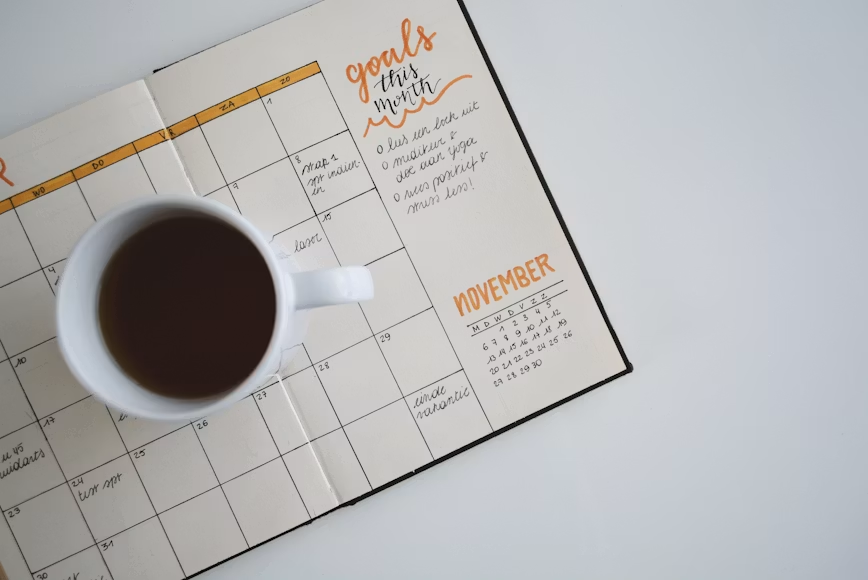
For this planning test, I started with one fact that could not be negotiated.
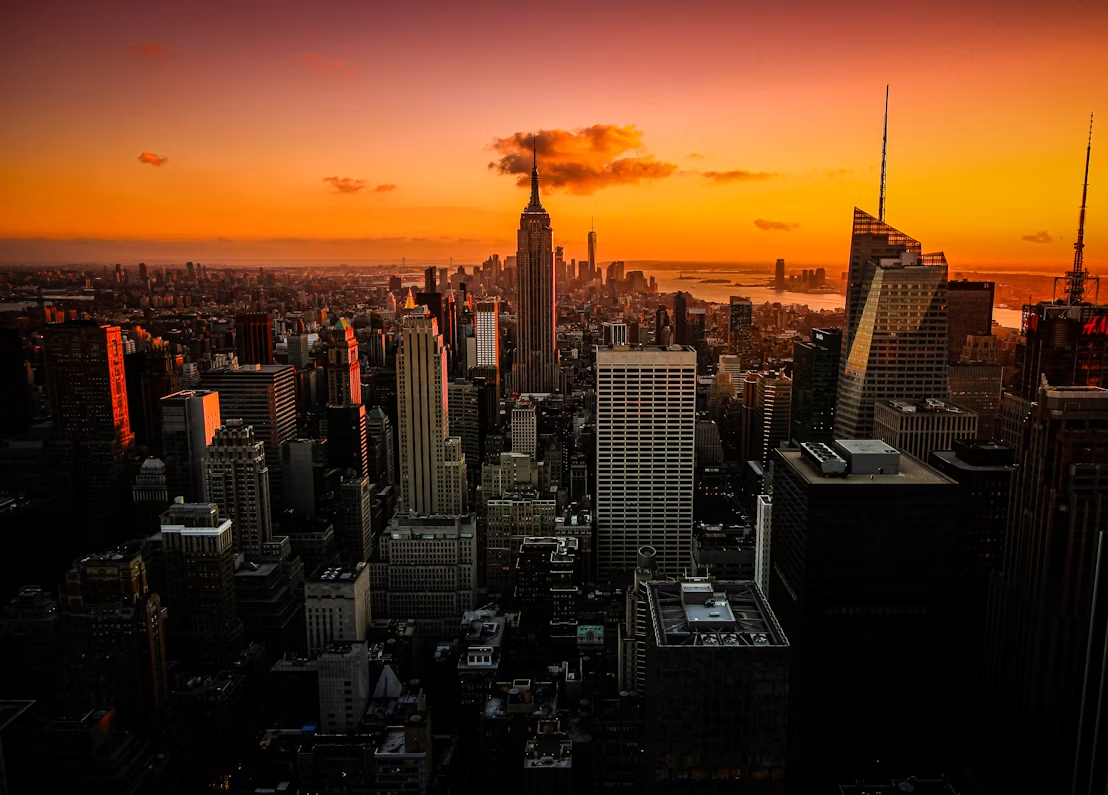
On July 27, 2026, sunset in New York was listed at approximately 8:16 p.m. local time. The forecast picture was less dependable: current services indicated some possibility of rain or thunderstorms, which meant any outdoor plan needed a same-day weather check rather than optimism disguised as preparation.
It was late afternoon. Two people wanted to do something outside, preferably around sunset. Neither wanted to spend the next hour researching.
This should have been a small decision.
Instead, it produced twelve tabs.
There were waterfronts, elevated parks, neighborhood walks, outdoor events, food stops, and places that looked effortless until I checked the transit time. Every tab represented a potentially lovely evening.
Several represented an evening we would never leave home to have.
The Tabs Were Aspirations, Not Options
I used to think a shortlist meant selecting the three most appealing places.
Now I think it begins by removing the places that require a more energetic version of me.
A summer plan made at noon can contain ambition. A spontaneous plan made after 5 p.m. has to account for the person who has already changed into comfortable clothes, the person still answering messages, and the quiet possibility that “I’m up for anything” means “please do not make me cross the entire city.”
So I wrote down the real constraints.
We wanted to see the sunset, but not badly enough to spend most of the remaining daylight underground. We were starting from different places. Rain was possible. Neither of us wanted a reservation-dependent evening or a chain of activities that would collapse if the first stop took longer than expected.
The final constraint was the most useful:
Would we still agree to this plan if we had to leave in twenty minutes?
If the answer was no, I closed the tab.
I Built the Shortlist Around Friction
Three versions survived.
The nearest-view version required the least travel. It might not offer the most dramatic skyline, but it preserved enough time to arrive without turning the trip into a race against the sun.
The destination-view version involved a longer ride for a setting that felt more intentional. Its weakness was obvious: one delay, a change in weather, or a late departure could consume the reason for going.
The weather-flexible version paired an indoor or sheltered stop with an outdoor viewing area nearby. It was less pure as a sunset plan, but it gave the evening somewhere to go if conditions changed.
I did not rank them from best to worst.
I wrote one sentence explaining what each protected.
The first protected energy. The second protected the quality of the view. The third protected the evening itself.
That was enough to make the trade-off visible.
The iMessage Question Had to Become Smaller
A broad message would have restarted the search:
Where should we go for sunset in New York?
The useful version contained the decision we were actually making:
We want a spontaneous sunset plan tonight. Sunset is around 8:16. We’re starting from different places, don’t want a long cross-city trip, and need a weather-flexible backup. Give us three options based on travel effort, view, and likelihood that we’ll actually leave soon. Flag anything that needs a current check.
The first reply should not produce an itinerary. It should expose the remaining choice.
Do we care most about getting outside quickly, reaching a more distinctive view, or protecting the evening from uncertain weather?
Once we answered that, I would ask for one primary option and one nearby backup. Then I would verify the current forecast, transit status, access rules, opening hours, and any reservation or ticket requirements before leaving.
Only after the decision had become that specific would I browse Karpo’s own guide to hidden places in NYC for candidates that matched the chosen shape. The guide includes brand-published material across walks, waterfront plans, food stops, neighborhoods, and nights out. I would use it as contextual inspiration, not independent proof that a place was open, available, uncrowded, or suitable that evening.
The Next Action Was Not Another Search
The final message did not need three links.
It needed a departure time:
Let’s use the closest option. I’ll check transit and weather now. Can you leave in twenty minutes?
That question tested the plan against reality.
A spontaneous evening is not the evening with the most interesting possibilities. It is the one that survives the distance between saying “we should go” and putting on shoes.
By the time I closed the other tabs, the sky had not become more beautiful. The city had not become easier.
We had simply chosen an evening we were willing to attend.
 Japanese
  English
  Russian
  French
  German
  Chinese (China)
  Chinese (Taiwan)
  Korean
  Spanish
  Thai
Thai  Hindi
Hindi  Arabic
  Italian
  Vietnamese